How To September 6, 2026
What Zone Is Florida
Florida spans USDA Zones 8a to 11b. Find your zone in Miami, Orlando, Tampa, and Jacksonville — and what to plant in Florida's unique climate.
Step-by-step garden projects and practical techniques for every skill level.
Florida spans USDA Zones 8a to 11b. Find your zone in Miami, Orlando, Tampa, and Jacksonville — and what to plant in Florida's unique climate.
Texas spans USDA Hardiness Zones 6a to 10a by region. Find your zone and what to plant in Dallas, Houston, Austin, and San Antonio gardens.
Plant cucumbers after the last frost when soil reaches 65°F. Covers seeds vs. transplants, spacing, direct sowing, and zone-by-zone timing for US gardens.
Plant carrots 2–4 weeks before the last spring frost when soil reaches 45°F. Zone-by-zone timing, fall planting windows, and succession sowing for the US.
Plant strawberries in early spring (Zones 3–7) or fall (Zones 8–10). Exact timing by zone, variety, and bare-root vs. potted plants for US gardeners.
Plant bare-root strawberries with the crown at soil level and roots spread downward. This US guide covers timing, soil prep, spacing, and first-year care.
A perfectly pruned tomato plant has one or two main stems, weekly sucker removal, and good airflow. US guide covers technique by plant type and timing.
Cold frames extend your growing season by 4-6 weeks in spring and fall. This US guide covers building, siting, crops, and zone-by-zone timing.
Cover crops prevent erosion, add organic matter, and fix nitrogen between growing seasons. US guide covers the best cover crops by zone and purpose.
Divide crowded perennials in fall or spring to revive blooms and multiply plants. US guide covers timing, tools, and which perennials to divide by zone.
Bring container plants through winter without losing them. US guide covers frost-sensitive tropicals, storage methods, and timing by USDA zone.
Prepare your garden for fall in 8 steps: clean up disease, plant cool-season crops, add compost, mulch beds, and plant spring bulbs. US zone guide.
Deadheading removes spent blooms to trigger more flowers. This US guide covers which plants benefit, the right cut, and which flowers to skip.
Make hot compost in 4–8 weeks or cold compost in 6 months. US-focused guide covers browns-to-greens ratios, bin types, and troubleshooting.
The best raised bed soil mix for US gardeners uses 60% topsoil, 30% compost, and 10% perlite. Covers Mel's mix, bulk sourcing, and per-zone tips.
Crop rotation stops disease buildup in US vegetable gardens. Learn the 4-family rotation system, what to plant after what, and how to keep records.
Start seeds indoors in US gardens with this step-by-step guide. Covers mix, lights, watering, hardening off, and timing by USDA zone.
Over 150 plant puns for gardeners organized by category. From herb humor to flower wit, these garden jokes are perfect for cards, Instagram, and more.
Prune forsythia within 4 weeks of blooming or lose next year's flowers. This US guide covers timing, technique, and post-bloom care by USDA zone.
Peas climb by tendrils and need trellis support 18 inches to 6 feet tall. This US guide covers trellis types, materials, and setup for all pea varieties.
Yes, you can freeze apples. Slice and treat with lemon juice to prevent browning, then freeze in a single layer before bagging. They last up to 12 months.
Make garlic powder at home in 3 steps: slice, dehydrate at 140°F, and grind. Learn which garlic types yield the most flavor and how to store it.
Fine fescue is the most shade-tolerant grass, performing in 3 hours of sun. Learn which grasses work in shaded US lawns and when to use alternatives.
Homemade weed killers using vinegar, salt, and soap can kill small weeds fast. Learn which formulas work, which harm soil, and when to use each one.
Learn the right mowing height, frequency, and technique for your grass type. Covers seasonal timing, blade care, and common mowing mistakes.
Plant tomatoes deep — bury the stem to the lowest leaves for stronger roots. US guide covering planting depth, trench method, and spacing for Zones 3–10.
Plant onion sets 1 inch deep, pointed tip up, 4–6 inches apart. US guide to zone timing, long-day vs short-day varieties, soil prep, and harvesting.
Most houseplants die from overwatering, not underwatering. This guide covers how to read plant signals, check soil moisture, and build a watering routine.
Cut peonies back in fall after first frost, not spring. This guide covers exact timing by zone, how far to cut, and mistakes that reduce blooms.
Atlanta sits in USDA Zone 7b, with a last frost around March 15 and a growing season of 8 months. Learn what thrives and when to plant.
Quick-pickled red onions keep 2 weeks in the fridge. Water bath canned versions store 12 months. Learn both methods with tested ratios and timing.
Cut roses at 45 degrees when buds show color but are still closed. Remove lower leaves and recut under water for vase life up to 14 days.
The last frost date marks when it is safe to plant tender vegetables outdoors. Find your average date by zone and learn how to protect plants early.
Fresh cilantro lasts 2 weeks in a water glass in the fridge. Learn the best storage methods — refrigerator, freezer, and drying — with timelines for each.
Pressure canning potatoes requires 10 lbs of pressure for 35 minutes (pints) or 40 minutes (quarts) at sea level. Learn the USDA-approved process here.
Dehydrated kale chips preserve kale's nutrients at low temperatures and stay crispy for weeks. Learn the best seasoning ratios and dehydrator settings.
Build a DIY self watering planter from a 5-gallon bucket or plastic tote in under an hour. Wicking systems cut watering frequency by 50–70% for containers.
A cubic yard of mulch costs $25–$75 delivered or $20–$45 picked up. This guide covers cost by type, how much you need, and when bulk beats bags.
Propagate ferns by spores, division, or runner offsets. This US guide covers all three methods with timing, tools, and zone-specific success tips.
Roasted tomato sauce made from garden tomatoes in one pan, no blanching. Covers varieties, roasting temps, seasoning, and safe storage for the US kitchen.
Grow squash on a trellis to save space, reduce powdery mildew, and harvest more per square foot. Covers slings, trellis types, and best US varieties.
Preserve squash by freezing, pressure canning, dehydrating, or curing for winter storage. This US guide covers all methods for summer and winter squash.
Transplanting peonies in spring is possible but risky — expect no blooms for 2–3 years. Fall transplanting is better. This US guide covers both methods.
Propagate wisteria from softwood cuttings, layering, or air layering. US guide covers timing, rooting rates, and which invasive varieties to avoid.
Zucchini relish uses surplus summer zucchini for a tangy condiment. This US guide covers water bath canning, freezer storage, and the tested recipe.
Grow dahlias in pots using 15-gallon containers, drip watering, and low-nitrogen feeding. US zone guide to timing, soil mix, and winter tuber storage.
Propagate flowers from cuttings, division, or seed. This US guide covers timing, tools, success rates, and which method suits each flower type by zone.
Yes, you can freeze carrots — but blanching first is non-negotiable. Learn the right prep, times, and storage tips to keep frozen carrots tasting fresh.
The Florida weave is the most efficient trellis method for row-planted tomatoes — no cages, less cost, and faster to install. Here's exactly how to do it.
Dwarf sunflowers thrive in pots with the right variety and container. Covers top compact varieties, pot size, watering, and care for US patio gardeners.
Plant dahlia tubers 4–6 inches deep with the growing eye facing up. This guide covers depth by tuber size, zone timing, staking, and US planting windows.
Plant tulip bulbs in fall when soil cools to 40–50°F. This US guide covers timing by USDA zone, depth, spacing, and common planting mistakes to avoid.
Jalapenos keep 6–12 months when frozen, pickled, or dried. Learn five tested methods for preserving a garden harvest of jalapenos at home.
A manual push reel mower cuts grass cleanly with no fuel or electricity. Reviews of the best US models for small lawns, thick grass, and slopes.
Yes, freeze lemon juice in ice cube trays for up to 4 months. Full guide to freezing methods, thawing, and best uses for frozen lemon juice in the kitchen.
Root plumeria cuttings in spring for blooms the same season. Step-by-step rooting guide for US gardeners, with care tips for containers and Zones 10–11.
Grass seed germinates in 5–30 days depending on species. See germination timelines, soil temp needs, and zone-based seeding advice for US lawns.
Learn when and how to transplant roses in the US without killing them. Includes timing by USDA zone, root prep, aftercare, and why fall moves succeed most.
Find the best pruning saw for your garden. We compare folding, bow, and pole pruning saws for branches from 1 to 10 inches in US gardens.
Master fine gardening with expert techniques for precise pruning, soil care, and tool maintenance. Practical tips for polished US gardens in any USDA zone.
Learn exactly how much grass seed to put down for new lawns and overseeding. Coverage rates by grass type for USDA zones 2–10 across the US.
Espalier training turns fruit trees and ornamentals into space-saving flat forms. Learn zones, techniques, and best varieties for US gardens.
Grow garlic in pots using a 12-inch-deep container, fall planting, and well-drained soil. This guide covers all steps from clove to cured bulb.
Prune Japanese maples in late winter or mid-summer when sap flow is low. This guide covers timing, tools, technique, and how to avoid common mistakes.
Plant seed potatoes 4 inches deep in rows 12 inches apart. This guide covers planting depth, hilling, spacing, and timing by USDA zone for best yields.
Freeze summer squash and zucchini at home without turning them mushy. Covers blanching times, packing methods, and storage tips for US gardeners.
Trim arborvitae the right way to keep it dense and green. Covers the best timing, tools, and techniques for US homeowners across all major climate zones.
A step-by-step guide to planting green beans in US gardens. Covers seed depth, spacing, soil prep, timing by USDA zone, and care after planting.
Divide bearded irises 4–6 weeks after bloom — mid-July to September for most US gardens. This guide covers timing, tools, and replanting by zone.
Spider plants grow outdoors year-round in USDA Zones 9–11. In cooler zones they thrive outside spring through fall. This guide covers care by region.
Lilacs need minimal fertilizing — but the wrong approach causes all leaves and no blooms. Covers when, what, and how much to feed lilacs in the US.
Properly stored garlic lasts 6–12 months. This guide covers curing times, ideal temperatures, and storage methods by garlic type for US gardeners.
Pennsylvania spans USDA Hardiness Zones 5a to 7a by county. Find your zone and learn what perennials and vegetables to plant where in PA.
Learn how to can homemade applesauce safely using a water bath canner. Covers tested apple yields, processing times, and altitude adjustments by US zone.
Transplant irises 4–6 weeks after bloom ends, typically July–August in most US zones. This guide covers division timing, spacing, and replanting depth.
Best tomato cages: indeterminate tomatoes need cages 5 feet tall. Standard 4-foot cone cages suit only compact determinate varieties like Roma and Patio.
Freeze strawberries in three steps — wash, hull, flash-freeze — and they keep 8–12 months. This guide covers sliced, whole, and sugar-pack methods.
Clematis bloom time depends entirely on which pruning group the variety belongs to. This guide covers bloom timing for Groups 1, 2, and 3 across US zones.
Cut lettuce leaves 1 inch above the crown and the plant regrows in 7–10 days. This US guide covers timing, tools, and variety-specific harvest tips.
Pinch basil stems just above a leaf node to trigger branching and delay bolting. This guide covers when, how often, and what to do with the trimmings.
Harden off seedlings over 7–10 days to prevent transplant shock. This guide covers timing, the daily schedule, and tools for US home gardeners.
Plant bare-root roses in early spring after your last frost. This US zone-by-zone guide covers planting windows, depth, and first-year care.
Calculate mulch bags for any bed size with this simple formula. Covers cubic yard math, coverage charts, and bulk vs. bagged mulch for US gardens.
Can fresh jalapenos safely with tested water-bath times and pH-balanced brine. Covers pickled slices, rings, and whole peppers for US home canners.
Fresh basil dries best at 95–100°F in a dehydrator for 2–4 hours. Air drying takes 1–2 weeks but preserves more oils. Oven drying works in 45 minutes.
Pinching zinnias once at 8–12 inches tall produces plants with 3× more blooms and stronger, longer stems than unpinched plants—here's the exact method.
Lettuce grows best in cool weather and is the fastest vegetable from seed to harvest. This guide covers timing, spacing, and variety selection by zone.
Mulch type determines how well it controls weeds, retains moisture, and feeds your soil. Compare wood chips, straw, rubber, and more for US gardens.
Garlic scapes are ready to cut when they've made one full curl. Harvest too late and the bulb's energy shifts to the scape instead of sizing up the head.
Raspberry canes grow 4–7 feet tall and need a trellis for support, airflow, and easy harvest. Build a post-and-wire system for under $50 in an afternoon.
Make cowboy candy—sweet candied jalapeños—with fresh peppers from your garden. Tested canning method with safe processing times for US home canners.
Mix your own potting soil using peat moss, perlite, and compost. This recipe costs 60% less than bagged mixes and outperforms them in containers.
Freeze peaches without browning using this tested method. Covers blanching, slicing, sugar packs, and dry-pack options for US home orchardists.
Winterize your garden with this zone-by-zone checklist. Covers mulching, bulb lifting, soil prep, tool storage, and compost management for US gardeners.
Clematis care depends on pruning group — Group 1, 2, or 3. Learn which group your vine is in, when to cut, and how to fix the most common US problems.
Harvest cilantro correctly and get 3–5 cuttings from one planting. Covers cut-and-come-again method, bolting signs, dry and freeze storage options.
The best cordless lawn mowers for US homeowners, compared by battery voltage, runtime, deck width, and performance around garden beds and tight lawn edges.
Make lavender oil at home using dried lavender and a carrier oil—no equipment needed. Covers ratios, drying, carrier oil choices, and storage tips.
Potatoes are ready when vines die back, usually 70–120 days after planting. Learn how to check for maturity and cure potatoes for US storage.
Tomato suckers grow at the crotch between stem and branch. Learn when to remove them, when to leave them, and how each choice affects your harvest.
Growing strawberries from seed is slow but rewarding — seeds need cold stratification and take 4–6 weeks to germinate. Here's the full US process.
Propagating roses from cuttings is reliable and free. Softwood cuttings taken in early summer root in 4–8 weeks with the right technique and humidity.
Build a tomato trellis for under $30 using wood stakes, rebar, or PVC. Covers Florida weave, A-frame, and cage builds for US indeterminate varieties.
Drip irrigation cuts water use 30–50% vs. sprinklers by targeting roots. Covers setup, emitter spacing, and zone planning for US vegetable gardens.
Plant strawberries in early spring in Zones 3–7 or fall in Zones 8–10. This guide covers bare root planting, spacing, runners, and first-year care.
Find your last frost date by zip code for every US region. Use frost dates to plan planting, protect seedlings, and extend your growing season.
PlantNet, iNaturalist, and Greg are the best free plant apps for US gardeners. Compare accuracy, features, and which one fits your garden best.
Freeze herbs whole, in ice cube trays with oil, or blanched for the longest shelf life. This US guide covers the best methods for herb garden harvests.
Trellising cucumbers saves space, reduces disease, and boosts yield. Learn the best trellis types, setup, and training methods for US gardens.
Order vegetable plants online in the US — when to buy, what arrives, how to acclimate shipped plants, and which varieties are only available mail-order.
Start tomato seeds 6–8 weeks before your last frost date. Full guide to germination, potting up, hardening off, and transplanting for US home gardeners.
Straw is the best mulch for most US vegetable gardens — cheap, easy, and effective. Here is how each mulch type performs and when to use which one.
Vinegar, salt, boiling water, and corn gluten are the best home remedies to kill weeds. What each does and where it fails in US gardens.
Pull weeds before they seed, smother with mulch, and use horticultural vinegar for contact kill. The complete natural weed control guide.
Propagate pothos in water in 10–21 days or directly in soil. Step-by-step cutting guide with rooting times and aftercare for US home gardeners.
Prune roses in early spring when forsythia blooms and again after each flush of flowers. Here is the right cut, right tool, and right timing for US zones.
Snake plants need water every 2–6 weeks depending on season and pot size. Learn the exact signs of overwatering and underwatering in US homes.
Garlic is planted in fall and harvested in summer — one of the most rewarding vegetable crops for US gardeners. Here's how to do it right by zone.
Self watering planters cut watering frequency by 50–75% and prevent overwatering that kills container plants. Here's how they work and which to buy.
Dried herbs last 6–12 months when processed correctly. This US guide covers air drying, oven drying, and dehydrator methods for home herb gardens.
Sweet potatoes need 90-120 frost-free days and warm soil to produce well. This guide covers planting slips, spacing, curing, and zone-by-zone timing.
Homemade weed killers using vinegar, salt, or boiling water kill annual weeds on contact. This guide shows what works, what fails, and what damages soil.
Mint grows indoors year-round in a south-facing window. This guide covers pot, soil, light, watering, and harvesting for productive indoor mint.
Best lawn edgers reviewed for US yards: corded electric, battery-powered, and gas models compared by cut quality, ease of use, and price range.
The most common reasons houseplants and garden plants die in US homes and yards, with simple fixes for watering, light, soil, and temperature.
Water tomatoes 1–2 inches per week during active growth. Learn watering frequency by stage, container vs in-ground, and how to avoid blossom end rot.
Peonies need correct planting depth, 6 hours of sun, and little else. Learn the exact depth, pruning timing, and why peonies fail in US gardens.
Tomato cages keep plants upright and fruit off the ground. Learn which cage type works for determinate vs indeterminate tomatoes and how to install them.
Prune lilacs within 2 weeks of bloom to protect next year's buds. US guide covers timing by zone, rejuvenation cuts, and tools for common and dwarf types.
Phalaenopsis orchids rebloom when temperatures drop 10°F at night. This US guide covers watering, potting mix, light, and how to trigger reblooming.
Banana water is a potassium-rich DIY plant fertilizer made from soaking peels in water. Learn how to make it, when it helps, and what it cannot replace.
Soil pH controls nutrient availability for all plants. Learn to use home test kits, digital meters, and free extension soil labs across the US.
Tomato spacing affects yield, airflow, and disease pressure. Learn the correct spacing for indeterminate, determinate, and container tomatoes.
The vinegar-salt-soap formula kills annual weeds on contact but not roots. This guide covers where it works, where it fails, and how to apply it safely.
Apple cider vinegar, sticky cards, and hydrogen peroxide tested against fungus gnats in houseplants. Four homemade trap methods ranked by effectiveness.
Glyphosate, triclopyr, pre-emergents, and organic options compared. This US guide helps you choose the right weed killer for your lawn and garden.
Prune indeterminate tomatoes by removing suckers weekly. Proper pruning improves airflow, reduces disease, and channels energy into larger fruit.
Start a garden from scratch with this step-by-step US guide. Site selection, soil prep, plant choices, and first-season mistakes to avoid.
Use your USDA hardiness zone to pick plants that survive your winters. Covers all 13 zones, average lows by state, and what the numbers mean.
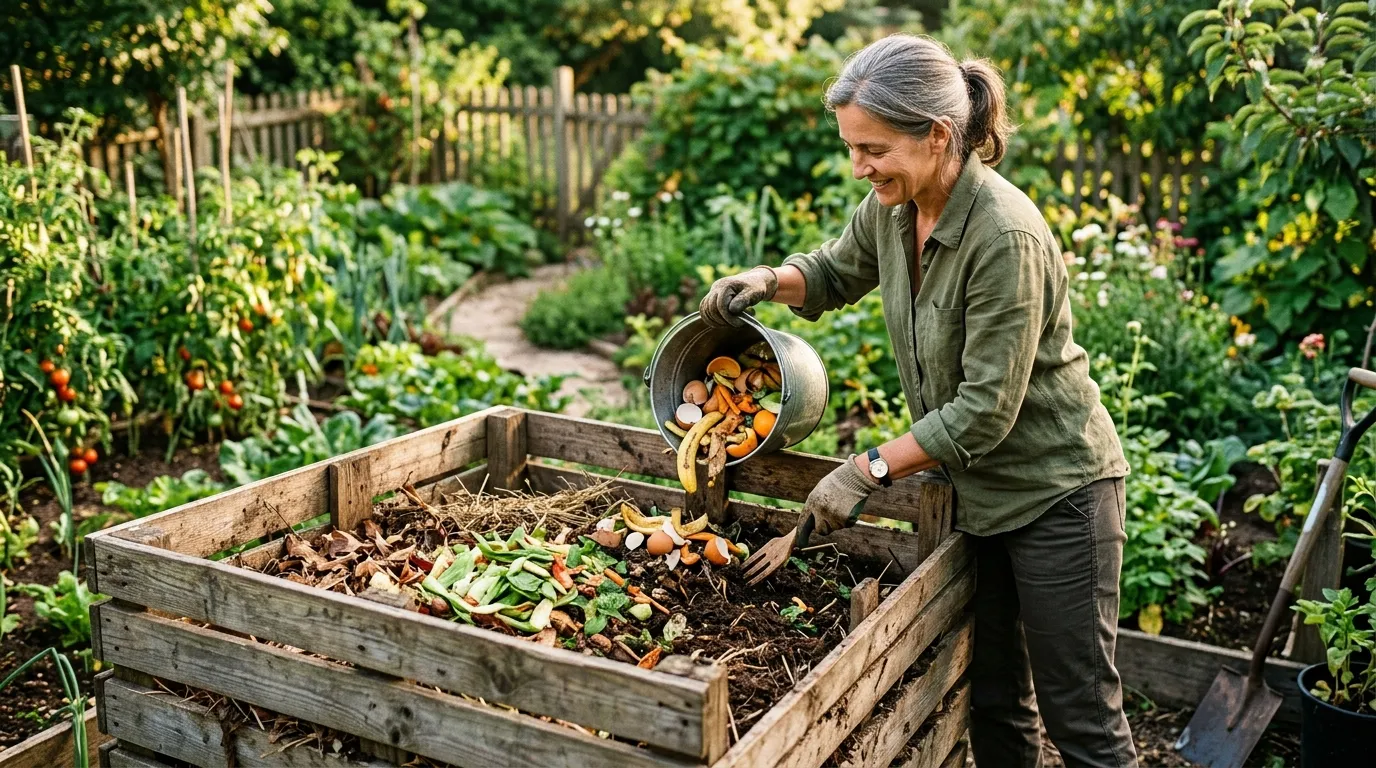
A practical guide to backyard composting. Learn which bin to use, what to compost, how to fix common problems, and when your compost is ready.