Growing September 6, 2026
Growing Broccoli: A US Guide
Grow broccoli from seed or transplant in spring or fall. Covers spacing, fertilizing, and preventing cabbage worms in US gardens from Zones 3–9.
Grow your own vegetables, fruit, and herbs. Real advice for real US growing conditions.
Grow broccoli from seed or transplant in spring or fall. Covers spacing, fertilizing, and preventing cabbage worms in US gardens from Zones 3–9.
Grow dill in US gardens from Zones 2–11. Covers direct seeding, succession planting, harvesting leaves and seeds, and preventing early bolting.
Grow kale in US gardens from Zones 2–11. Covers direct seeding, transplanting, spacing, fertilizing, pests, and harvesting for continuous yields.
Grow strawberries in Zones 3–10 with proper timing, spacing, and soil pH. Covers variety types, bed systems, renovation, and year-over-year production.
Start lettuce seeds at 45–65°F soil for germination in 2–10 days. This guide covers direct sowing, indoor starts, variety timing, and succession planting.
Grow marigolds from seed for more variety and lower cost. This US guide covers indoor sowing, direct seeding, germination by type, and USDA zone timing.
Plant sweet potato slips when soil reaches 60°F and nights stay above 50°F. US guide covers zone timing, slip preparation, and first-year care.
Plant garlic in fall for next summer's harvest. US guide covers timing by USDA zone, hardneck vs softneck varieties, depth, spacing, and mulching.
Acorn squash matures in 80–100 days with a compact vine. This US guide covers planting, pest control, and storage for this popular winter squash.
Asparagus takes 2–3 years to first harvest but produces for 20+ years. This US guide covers planting crowns, bed preparation, and annual care.
Basil thrives in full sun and warm soil above 60°F. This US guide covers the best varieties, growing in pots, pruning, harvesting, and pest control.
Butternut squash needs 85–110 days to mature. Plant after last frost in full sun. US guide covers vine care, pest control, and winter storage.
Fennel grows best in cool weather and produces edible bulbs, fronds, and seeds. This US guide covers varieties, planting by zone, harvest, and care.
Tomatillos need two plants to set fruit and full sun to thrive. This US guide covers varieties, planting by zone, harvesting, and pest control.
Zucchini produces its first fruit 50–65 days from seed and yields heavily all summer. This US guide covers planting, pollination, pests, and harvesting.
Succession planting staggers sowing dates every 2–3 weeks for continuous harvests. Covers timing by crop, USDA zones, and planning charts for US gardens.
Learn to grow kale in US gardens from Zones 3–9. Covers variety selection, planting dates, spacing, fertilizing, pest control, and harvest timing by zone.
Grow Swiss chard in US gardens from Zones 3–10. Covers varieties, planting dates, spacing, feeding, harvesting, and how chard handles heat and frost.
Grow bok choy in US gardens from Zones 3–9. Covers varieties, planting windows, spacing, pest control, and harvesting baby and full-size heads.
Grow cauliflower in US gardens with the right timing. Covers blanching, spacing, fall vs spring crops, and solving the most common garden problems.
Grow pumpkins from seed in US gardens. Covers planting dates by zone, spacing, vine management, watering, and harvesting jack-o-lanterns and pie pumpkins.
Grow watermelon in US gardens from Zones 4–10. Covers variety selection, seed starting, spacing, watering, and signs of ripeness for backyard success.
Cosmos seedlings are easy to start from seed and germinate in 7–10 days. This US guide covers what they look like, when to transplant, and common problems.
English lavender grows 6–12 inches per year and reaches full size in 3–4 years. US guide covering growth rates by type, zone, and soil conditions.
Snapdragons thrive in cool weather and bloom from spring to early summer. This US guide covers planting, deadheading, and varieties by USDA zone.
Persian cucumbers are thin-skinned, seedless, and sweet — ideal for US home gardens. This guide covers planting, care, and harvesting across USDA zones.
Space strawberry plants 18 inches apart in rows 4 feet wide. This US guide covers spacing by type, bed layout, and planting systems across all USDA zones.
The best sweet potato companions are marigolds, nasturtiums, and thyme. This US guide covers what to plant near sweet potatoes — and what to keep away.
Kale, spinach, carrots, and garlic grow through US winters. This guide covers cold-hardy vegetables by zone with planting windows and frost protection.
Brussels sprouts go through 7 stages from seed to harvest. Learn each stage's timing, what to watch for, and how to manage the crop for a fall harvest.
Seed garlic is cured garlic cloves replanted to grow a new crop. Plant in fall 4–6 weeks before your first hard frost, 2 inches deep.
Start dahlia seedlings indoors 4–6 weeks before transplant. Learn germination times, light needs, pinching, and what to expect from seed-grown dahlias.
Growing romaine lettuce is easy in most US climates. Learn the right planting times by zone, spacing, watering, and how to get two crops per year.
Grow lettuce from seed to harvest in any US zone. Covers variety selection, spring and fall timing, succession planting, bolting, and containers.
How to grow strawberries from planting to first harvest. Covers variety selection, USDA zone timing, soil prep, runner management, and pest control.
When to plant tomatoes by USDA zone: exact transplant dates, last frost guidance, soil temperature targets, and what to do if you plant too early or late.
Black Cherry is an indeterminate cherry tomato with mahogany-red fruits and complex sweet-smoky flavor. This US guide covers growing, staking, and harvest.
Holy basil (Tulsi) is a fragrant annual herb grown in US gardens for cooking and tea. This guide covers varieties, growing from seed, care, and harvest.
Bush cucumber varieties grow well in 5-gallon containers with full sun and regular watering. This US guide covers pot size, soil, varieties, and harvest.
Five types of blueberries suit different US climates. This guide covers highbush, lowbush, rabbiteye, half-high, and southern highbush varieties.
Citrus trees need full sun, consistent watering, and nitrogen-rich fertilizer. This guide covers outdoor zones, container growing, and common problems.
Blueberries need acidic soil, full sun, and 2 varieties for best yields. This guide walks through planting, soil prep, pruning, and harvest by USDA zone.
Standard lettuce bolts above 75°F, but heat-tolerant varieties survive summer. Learn which types last longest and how to extend your lettuce season.
Grass clippings are free, nitrogen-rich mulch when applied in thin layers. This guide covers where to use them and the mistakes to avoid.
Grow onions from seed to access hundreds of varieties at a fraction of the cost of sets. This US guide covers timing, sowing, and transplanting.
Natural mulch — wood chips, straw, and shredded leaves — suppresses weeds and builds soil. This guide covers which types work best and how to apply them.
Cilantro blooms when temps hit 75°F. Learn to delay bolting, use edible flowers in cooking, and harvest coriander seeds before the season ends.
Cornel dahlia is a white ball-type dahlia with 2–3 inch blooms on 3–4 ft stems. Prolific and long-vased, it is a top pick for US cutting gardens.
One blueberry bush produces some fruit. Two compatible varieties increase yield 40–60% and berry size. Learn which pairs to plant together in your zone.
Golden Scepter dahlia produces 2–3 inch golden yellow ball blooms on 3–4 ft stems. A prolific Floret Flowers variety ideal for US cutting gardens.
Chocolate Cherry sunflower produces deep burgundy petals with a dark center on 4–6 ft stems. It blooms 70–75 days from seed and excels as a cut flower.
Giant Marconi pepper is an Italian heirloom sweet pepper, 6–8 inches long, that excels at roasting and grilling. It matures red in 90 days from transplant.
Purple Majesty potato has deep purple skin and flesh with high anthocyanin content. It matures in 70–80 days and performs well across Zones 3–8 in the US.
Bush beans, pole beans, and specialty types differ in growth habit, yield timing, and flavor. This US guide covers the top varieties for every garden size.
Cat grass seeds germinate in 3–5 days indoors year-round. This guide covers the best grass types, sowing steps, and regrowth tips for cat owners.
Plant carrots in loose soil in early spring or fall. This US guide covers timing, depth, thinning, variety selection, and harvesting by USDA zone.
Gooseberries grow in USDA Zones 3–6 and thrive in the northern US where summers are cool. This guide covers planting, pruning, varieties, and harvesting.
Old advice says avoid this pairing — but field data tells a different story. Here is what happens when onions share space with potatoes.
Cucamelons produce 200–400 fruits per vine in 60–70 days. Learn spacing, watering, and harvest tips for growing cucamelons in your US garden.
Plant peppers outdoors after last frost when soil reaches 65°F. Zone-by-zone timing guide, seed-starting calendar, and tips to avoid cold-soil mistakes.
Find out what to plant in your US garden right now by USDA zone. Monthly planting charts for vegetables, herbs, and flowers across zones 3–10.
Beets are ready to harvest at 1.5–3 inches wide, usually 50–70 days from seed. Learn the timing, storage, and signs of over- and under-maturity.
Kentucky Wonder pole beans are a classic US heirloom producing flat, stringless pods over a long season. Covers planting, support, and harvest timing.
Pickled green tomatoes preserve unripe tomatoes before frost. This guide covers quick refrigerator pickles and water-bath canning for US home gardeners.
Tomatillos are ready when they fill and split their papery husks. This guide covers harvest timing, ripeness signs, and storage for US home gardeners.
The best tomatoes for canning are paste types with low moisture and high flesh-to-seed ratio. This guide ranks 8 top varieties by yield and flavor.
Parsley grows in all US zones as an annual herb. Learn to grow, harvest, and store flat-leaf and curly varieties from seed or transplant.
Greek oregano is more pungent than common oregano and dries better. Learn to grow, harvest, and dry it in any US zone, in the ground or in pots.
Armenian cucumber grows up to 36 inches long, tolerates US summer heat better than slicing types, and stays crisp well past normal harvest size.
The best carrot companion plants repel carrot fly, fix nitrogen, and mark slow-germinating rows. Covers what to grow and avoid in US gardens.
Green tomatoes from the garden are edible before they ripen and a valuable late-season crop when frost threatens. How to use, ripen, and store them.
Black beans grow as warm-season annuals in all USDA zones. Direct sow after last frost, harvest when pods dry and papery. Complete US growing guide.
Direct sow edamame seeds in warm soil after last frost for a harvest in 75–90 days. This US guide covers planting, care, and when to pick for peak flavor.
Tasmanian Chocolate is a large heirloom tomato with deep brown-red skin and rich, complex flavor. Here's how to grow it successfully in US home gardens.
The best companion plants for jalapenos deter pests and improve yields. This guide covers what to plant with jalapenos, and what to avoid, for US gardens.
Cilantro seedlings germinate in 7–10 days but bolt quickly in heat. This guide covers starting, thinning, and timing cilantro seedlings in US gardens.
Parsley grows best next to tomatoes, asparagus, and roses. This US garden guide covers the top companions for parsley and what to avoid.
The best strawberry planters hold 1–2 gallons per plant and drain fast. This guide covers pot types, soil, and care for US container strawberry gardens.
The best vegetables, herbs, and flowers to plant in a US garden depend on climate zone and season. This guide covers beginner picks by zone and season.
Yes, tomatoes and cucumbers can grow together with proper spacing. This guide covers what works in US gardens by zone, bed size, and common problems.
Tomatoes need 6–8 hours of direct sun daily. Under 6 hours causes poor fruit set. This guide covers shade solutions, zone differences, and placement.
Summer vegetables — tomatoes, zucchini, cucumbers, peppers, beans — need warm soil above 60°F, full sun, and 1 inch of water per week to produce well.
Radishes mature in 22 days; lettuce in 30. This US guide ranks the fastest vegetables to grow, with days-to-harvest data, variety picks, and zone tips.
The best companion plants for cabbage repel cabbage worms and aphids. This US guide covers proven pairings, plants to avoid, and spacing in garden beds.
Sweet potatoes need 90–110 frost-free days and loose soil to form large roots. This US guide covers planting slips, spacing, care, and harvest timing.
Most sunflowers are annuals that die after one season. This US guide explains perennial species, self-seeding behavior, and zone-by-zone planting.
Lettuce is the fastest vegetable from seed to harvest — 30 to 60 days depending on variety. Learn timing, varieties, and zone-specific tips for the US.
Grow spaghetti squash from seed to harvest in 80–100 days. Learn spacing, watering, and curing techniques that work in US gardens from Zones 4 through 9.
Heirloom tomatoes need 70–80 days from transplant. This guide covers the best US varieties, planting times by zone, and flavor profiles by type.
Squash plants produce their first fruit 45–55 days from seed. This guide covers summer vs. winter types, pollination problems, and harvesting.
Indoor lavender needs 6+ hours of direct light, excellent drainage, and low humidity. Learn which varieties survive inside in US homes.
Lilacs need cold winters, alkaline soil, and correct pruning timing. This guide covers planting, watering, fertilizing, and fixing no-bloom problems.
Plant companions near potatoes to repel Colorado potato beetles, deter aphids, and improve yields. This guide covers what works and what to avoid.
Roma tomatoes produce 100–150 fruits per plant in USDA Zones 3–10. This guide covers varieties, care, blossom end rot prevention, and harvest timing.
Sugar snap peas are one of the earliest spring crops in US gardens. Learn the right planting dates by zone, varieties, trellising, and how to harvest.
Green beans are one of the highest-yielding vegetables for US home gardens. Learn when to plant, which type to choose, and how to harvest correctly.
Bush cucumbers grow 2–3 feet tall and produce full-size fruit without a trellis. Learn the best varieties, spacing, and harvest tips for US gardens.
The best kale companion plants deter cabbage worms and aphids. Pair kale with these proven US garden companions by pest type and benefit.
The best lettuce companion plants deter aphids, extend harvest into summer, and fill space without competing. Covers pairings for US garden beds by zone.
Potting mix is soilless and drains better. Potting soil may contain field dirt. Learn which to use for containers, raised beds, and in-ground planting.
Spinach grows best in cool weather from Zone 3–9. Learn when to plant, which varieties last longest in heat, and how to get two harvests per year.
The best potting soil depends on your plants and climate. Compare top US mixes by price and performance with this zone-specific guide from a real garden.
Lima beans grow best in USDA Zones 3–11 when planted after last frost. This guide covers varieties, spacing, soil prep, and harvesting for US home gardens.
Discover 7 proven tomato trellis ideas for US gardens—from budget rebar stakes to cattle panel arches. Covers sizing, material costs, and setup tips.
Lemon cucumbers are round, mild, and heat-tolerant. Grow them in US gardens from Zone 4 to 10 with these planting, watering, and harvest tips.
Growing asparagus from seed takes 3 years to first harvest but costs far less than crowns. US guide covers germination, transplanting, care by USDA zone.
Grow 15 common herb plants in US gardens: basil, cilantro, thyme, rosemary, mint, and more. Zone guides, soil prep, spacing, and harvest tips included.
Blueberry plants need acidic soil (pH 4.5–5.5) to thrive in US gardens. This guide covers soil prep, planting, pruning, and harvesting by USDA zone.
Cucumbers produce 10–20 fruits per vine in 50–70 days across most US zones. Learn which types to grow, how to water for flavor, and when to harvest.
Epsom salt adds magnesium to tomato soil, but most US gardens don't need it. Learn when it helps, when it hurts, and how to test before applying.
Beefmaster is a large hybrid tomato producing 2-lb fruits in 80 days with VFF disease resistance. Covers planting, support, watering, and harvest.
Black Beauty is the classic US eggplant — large glossy fruits in 73 days, heat-loving, and widely available. Covers planting, watering, and harvest.
Blueberries need pH 4.5–5.0, full sun, and two varieties for cross-pollination. Covers variety types by USDA zone, soil prep, planting, and harvest.
Beefsteak tomatoes grow up to 2 lbs per fruit and need strong support. This US guide covers the best varieties, planting, watering, and harvest timing.
Cilantro grows best near tomatoes, peppers, and spinach. This guide covers what to plant with cilantro and what to keep away in US vegetable gardens.
Pink Brandywine produces 1–2 lb heirloom tomatoes with top flavor. Covers planting, staking, disease management, and when to pick for peak taste.
USDA Plant Hardiness Zones tell you which perennials survive your winters. Learn your zone, what it means, and how to use it to pick plants that last.
Celebrity tomato is a disease-resistant hybrid producing 7–8 oz fruit reliably across US zones. Covers planting, pruning, yield, and pest prevention.
Elderberries grow in USDA Zones 3–9 as fast-growing native shrubs. This US guide covers varieties, planting, harvesting, and important health notes.
Strawberries grow in all 50 US states across USDA Zones 3–10. Covers June-bearing vs. everbearing types, planting, renovation, and maximizing yields.
Onions are ready when 50–75% of tops fall naturally. This US guide covers harvest timing by zone, curing methods, and storage for months after picking.
The best companion plants for cucumbers deter beetles, attract pollinators, and improve yields. Covers proven combos and what to keep far away.
Cherry tomatoes produce 100+ fruits per plant from July to frost. Learn to water consistently, cage early, and pick the best varieties for US zones.
Open-pollinated vs. hybrid seeds, when to start indoors, and how to pick US seed companies — this guide covers the essentials for US vegetable gardeners.
Carrots, beets, and chamomile are ideal onion companion plants. This US guide covers what to plant and what to avoid in the rows beside your onions.
The best eggplant companion plants repel flea beetles, aphids, and spider mites while improving soil and yield. Learn what to plant near eggplant.
Eggplant needs 70–85°F soil and a long frost-free season. Learn when to transplant, how to fertilize, and how to harvest eggplant in US gardens.
Chives grow in USDA Zones 3–9 with minimal care. Learn when to plant, how to harvest, and how to keep chives producing all season in US gardens.
Hyacinth bean is a fast-growing ornamental vine with purple pods and flowers. Learn to plant, grow, and care for it in US gardens from seed.
Jalapeños measure 2,500–8,000 Scoville heat units. Learn what affects jalapeño heat, how they compare to other peppers, and how to grow hotter ones.
Raspberry plants grow in USDA Zones 3–9 and produce fruit in year two. Learn how to plant, prune, and care for raspberries in US gardens.
Companion planting chart for US vegetable gardens. Find which plants grow better together, which to keep apart, and the evidence behind each pairing.
Companion plants for carrots deter pests, improve germination, and loosen soil. This guide covers the best and worst companions for US carrot gardens.
Growing herbs indoors needs the right light, pots, and watering habits. This guide covers which herbs thrive inside and how to keep them productive.
A tomato trellis keeps vines off the ground, improves airflow, and boosts yields. This guide covers the best trellis types, setup, and training methods.
Learn to grow beets from seed to harvest. Covers thinning, variety selection, succession planting, and storage for all US growing zones.
Rosemary grows best in full sun and well-drained soil with infrequent watering. Learn how to grow it outdoors and indoors across US climate zones.
Hyacinth bean vine grows 10–15 feet in one season, flowers from summer to frost, and thrives in heat. Here is how to grow it across US climate zones.
Patio Tomato grows 24–36 inches tall and produces 3–4 oz red tomatoes in 70 days. Best for containers and balconies across all US zones.
Grow better pepper plants with zone-specific timing, soil temp targets, and variety picks for bell, jalapeño, habanero, banana, and specialty types.
Romaine is the easiest lettuce to grow at home. Learn planting times by USDA zone, how to prevent bolting, and which varieties last longest in summer heat.
Harvest rhubarb stalks when they reach 10–15 inches and the plant is at least 2 years old. US guide covers timing, technique, storage, and freeze dates.
Everbearing strawberries produce two crops per season from spring through fall. This guide covers the best varieties, planting dates, and US zone tips.
A well-planned herb garden gives you fresh cooking herbs from spring through frost. This guide covers the best herbs, layout, soil, and US zone basics.
California Wonder is the classic US bell pepper — sweet, blocky, and reliable in Zones 5–10. Learn how to grow it from seed to harvest in your garden.
Spinach grows best in cool weather. Learn the right planting dates by USDA zone, soil prep, watering, and harvesting for a tender US spinach crop.
Mortgage Lifter yields 1–2 lb pink heirloom fruits in 70–80 days. This US guide covers planting, staking, pruning, and harvest across garden zones.
Better Bush tomato fits containers and small beds, producing 4-inch slicers in 68 days. Covers planting, containers, and feeding this compact type.
Big Boy tomato produces 1-pound beefsteak fruits on vigorous indeterminate vines. Learn how to grow, stake, and harvest this classic US slicer variety.
Husky Cherry Red is a compact 3-foot cherry tomato perfect for containers. Produces sweet 1-inch fruits in 65–70 days with VF disease resistance.
Yes, tomatoes and peppers grow well together in US gardens — same sun, soil, and water needs. Here is how to combine them without problems.
Big Beef produces 10–16 oz slicing tomatoes in 70 days. Learn to grow, stake, and harvest this All-America Selections disease-resistant hybrid.
Tomato plants need 6–8 hours of sun, consistent watering, and support. This guide covers varieties, planting, feeding, and US zone pest control tips.
Nasturtium blooms in 50 days, thrives in poor soil, and traps aphids away from vegetables. US guide covering edible flowers and companion planting.
Harvest garlic when 60% of leaves have browned. This US guide covers hardneck vs. softneck timing, curing steps, and how to store for up to 12 months.
Bean companion plants that boost yield, deter pests, and fix nitrogen in US vegetable gardens. Covers bush beans, pole beans, and what not to plant nearby.
The wrong tomato fertilizer gives you leaves instead of fruit. This guide covers NPK ratios, timing, and organic options for US gardeners.
Companion plants for peppers deter pests, attract pollinators, and improve yield. This guide covers the best and worst companions for US pepper gardens.
Indeterminate tomatoes keep growing and producing until frost. Learn how to stake, prune, and choose the best varieties for US gardens.
Sungold tomato is an orange cherry type rated among the sweetest varieties in US trials. Learn to grow, stake, and harvest it across USDA Zones 4–9.
Cilantro leaves and coriander seeds come from the same plant. This guide covers flavor differences, growing tips by zone, and harvest timing for US cooks.
Sun Sugar yields golden-orange 1-inch fruits with 10+ Brix sweetness and crack-resistant skin. Grow guide covers support, pruning, and harvest timing.
Cherokee Purple is a Tennessee heirloom tomato with smoky, complex flavor. This guide covers planting, growing, and harvesting it in US gardens.
Super Sweet 100 cherry tomato yields 200–300 fruits per plant. Learn how to plant, support, prune, and harvest this prolific indeterminate variety.
The best zucchini companion plants boost pollination, deter pests, and improve yield. Learn which plants help and which to keep away from zucchini.
Tomatoes in pots need a 5-gallon container minimum, full sun, and daily watering. This US guide covers varieties, soil mix, and common mistakes.
Better Boy tomato is the best-selling hybrid in the US, reliably producing 12-oz red slicers from midsummer through fall. Learn how to grow it well.
Cucumbers thrive in US summer heat when planted after the last frost with 65°F soil. This guide covers spacing, watering, trellising, and pest prevention.
Cilantro bolts fast in summer heat. This guide covers succession planting, bolt-delay tricks, and timing by USDA zone for continuous US harvest.
Grow tomatoes that actually produce. Covers variety selection, transplanting, staking, pruning, and solving common tomato problems across US zones.
The right companion plants boost strawberry yields and deter pests. This guide covers what to plant next to strawberries in US gardens by zone.
Cucumber trellis ideas that boost yield, reduce disease, and save space in US vegetable gardens. Covers DIY builds, spacing, and training techniques.
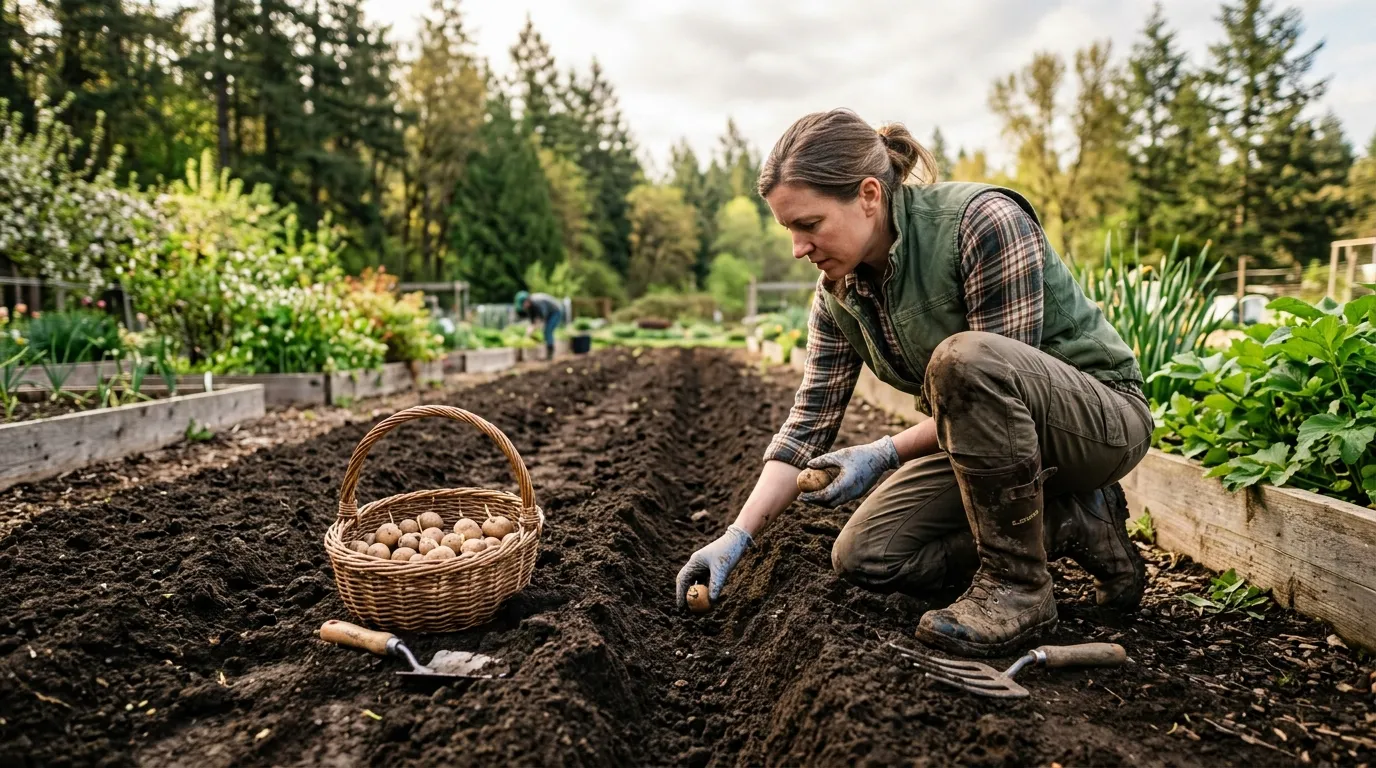
A US grower's guide to planting potatoes from seed to harvest, with USDA zone timing, chitting steps, three planting methods, and pest fixes.
The best companion plants for tomatoes based on tested combinations in US gardens. Includes plants to avoid and a zone-by-zone planting calendar.
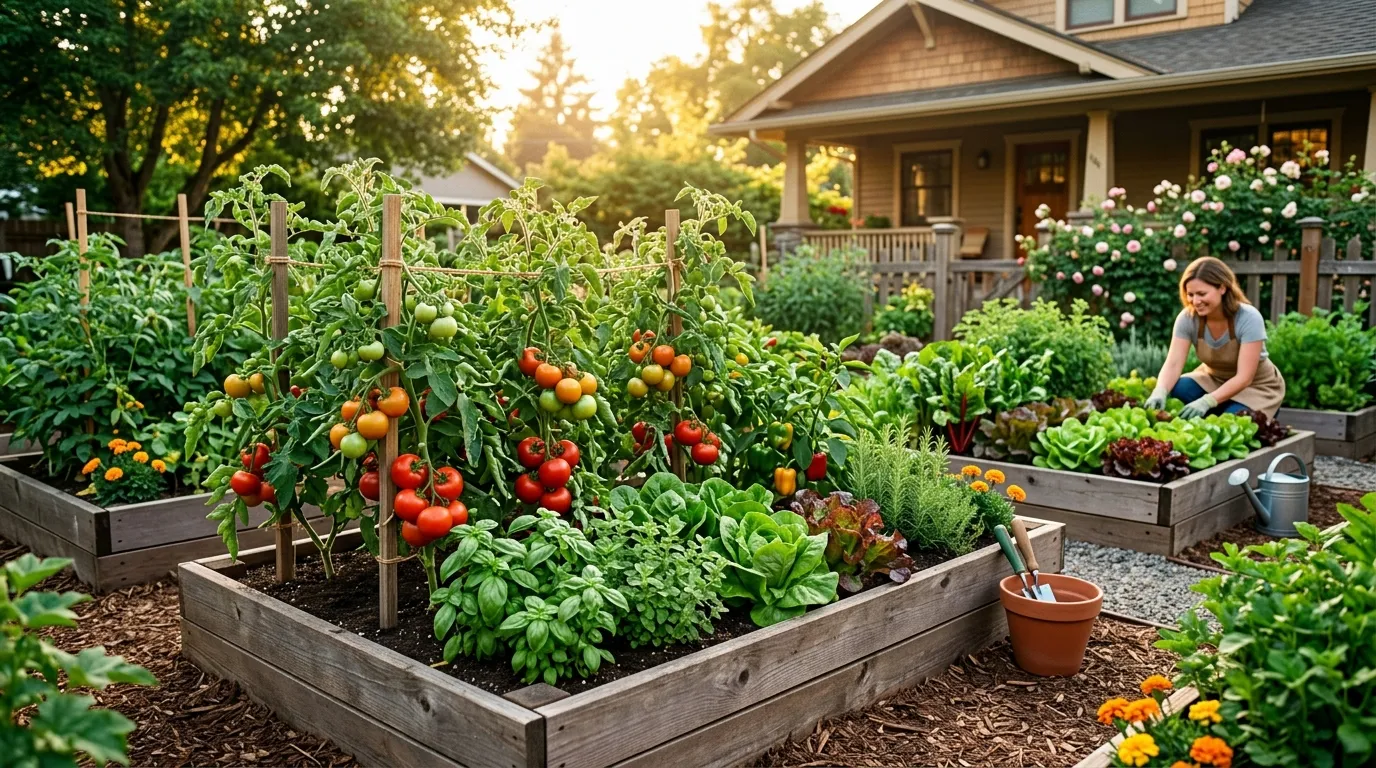
A step-by-step guide to starting your first vegetable garden, from choosing the right spot and preparing soil to harvesting your first crops.