Attract Pollinators to Your Garden
Learn which plants, habitats, and practices bring bees, butterflies, and hummingbirds to your yard. Practical tips tested in a Zone 6b garden.
Key takeaways
- Plant at least three species blooming in each season for continuous nectar
- Native plants attract 4x more pollinators than non-native ornamentals
- Avoid all neonicotinoid pesticides - they are lethal to bees at low doses
- Leave bare soil patches for ground-nesting bees, which make up 70% of native bee species
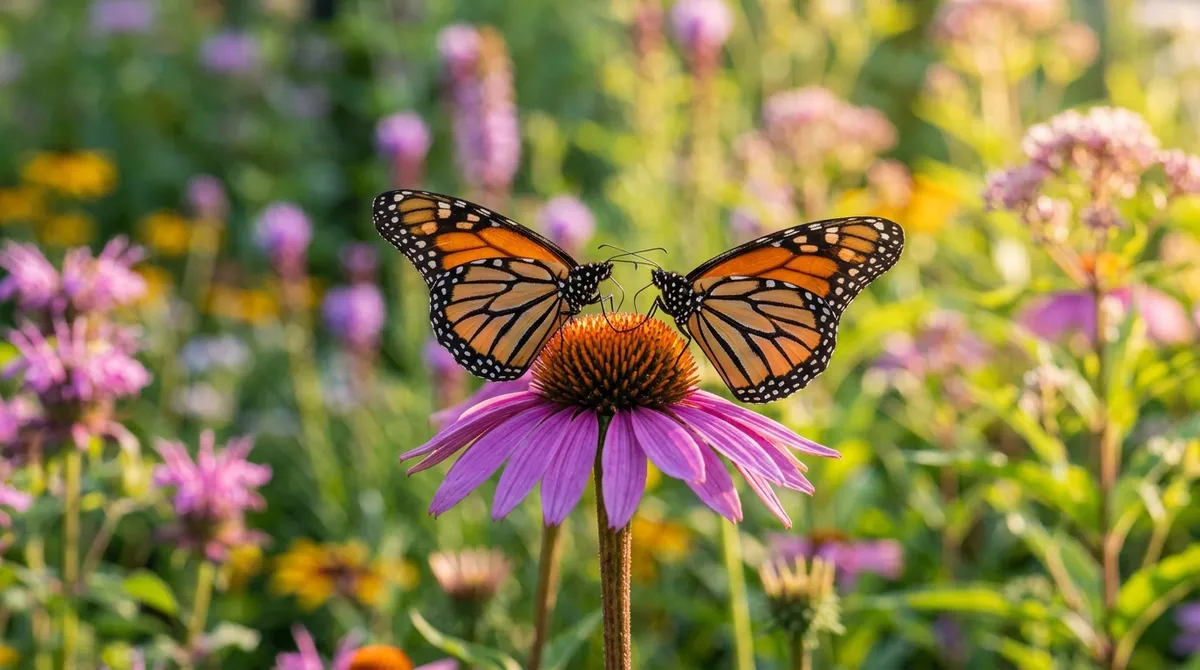
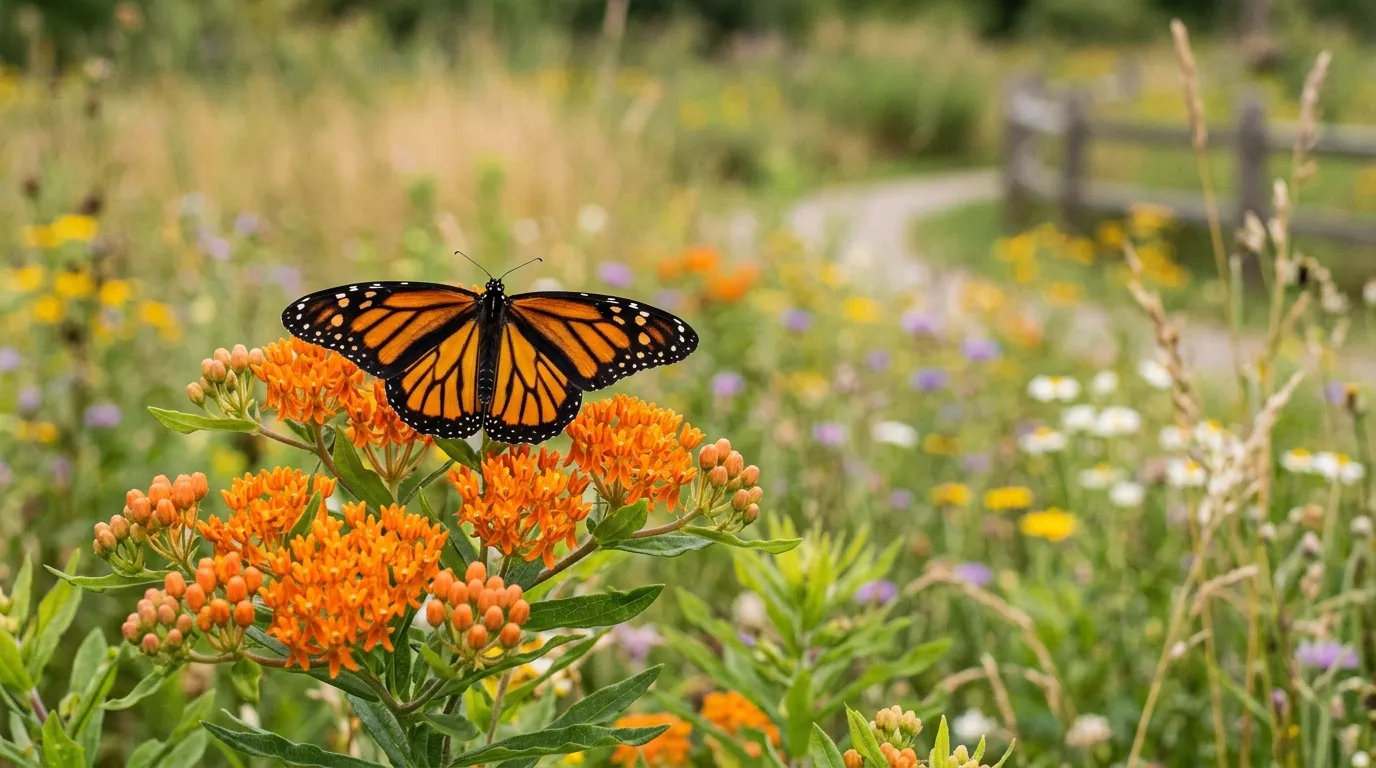
- A single milkweed plant can support 30-40 monarch caterpillars in a season
Why pollinators matter for your garden
One out of every three bites of food you eat depends on pollinators. Bees, butterflies, hummingbirds, and beetles move pollen between flowers, making fruit and seed production possible. Without them, your tomato plants flower but produce nothing.
Pollinator populations across the US have dropped sharply over the past two decades. Monarch butterfly numbers fell 80% between 1996 and 2023. Native bee species are declining in 40 states. The causes include habitat loss, pesticide exposure, and climate shifts.
The good news is that even a small garden bed makes a real difference. Research from the Xerces Society shows that residential gardens collectively provide more pollinator habitat than national parks in many regions. Your backyard counts.
Best plants for pollinators by season
The key to a productive pollinator garden is continuous bloom. You need flowers open from early spring through late fall so pollinators always have food. Plan for at least three species in each season.
Spring bloomers (March - May)
Start the season with early nectar sources when overwintering bees emerge hungry. Wild columbine, Virginia bluebells, and creeping phlox all flower before most gardens wake up.
Summer bloomers (June - August)
Summer is peak pollinator season. Load up on purple coneflower, bee balm, black-eyed Susan, and milkweed. These are the workhorses that support the most species.
Fall bloomers (September - October)
Late-season nectar is critical for migrating monarchs and bees building winter fat reserves. Goldenrod, asters, and Joe Pye weed carry the garden through frost.
| Plant | Bloom season | Height | Best zones | Top pollinators |
|---|---|---|---|---|
| Purple coneflower | Jun - Sep | 2-4 ft | 3-9 | Bees, butterflies |
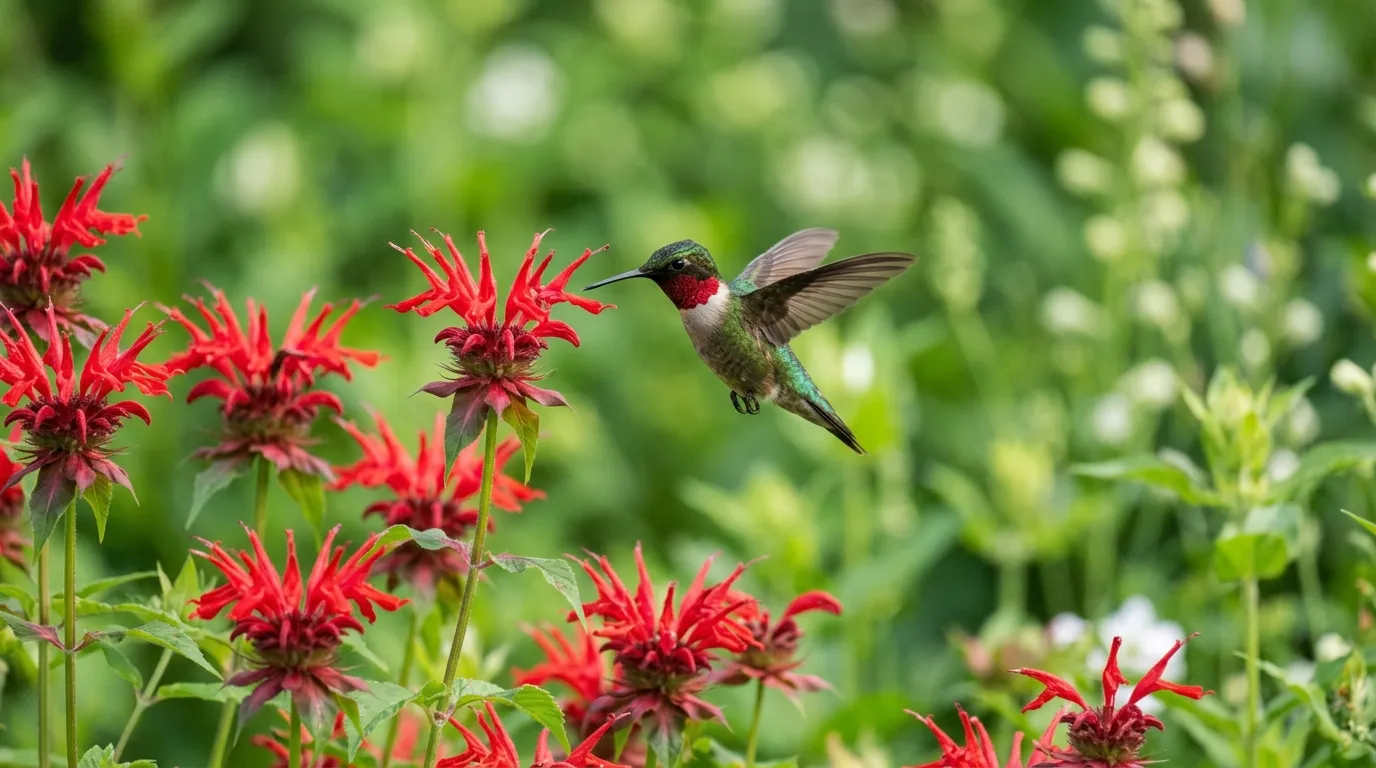
| Bee balm | Jul - Sep | 2-4 ft | 3-9 | Hummingbirds, bees |
| Milkweed | Jun - Aug | 3-5 ft | 3-9 | Monarchs, bees |
| Goldenrod | Aug - Oct | 2-5 ft | 3-9 | Bees, beetles |
| Black-eyed Susan | Jun - Sep | 2-3 ft | 3-9 | Bees, butterflies |
| Wild columbine | Apr - May | 1-2 ft | 3-8 | Hummingbirds |
| Joe Pye weed | Jul - Sep | 4-7 ft | 3-9 | Butterflies, bees |
| New England aster | Sep - Oct | 3-6 ft | 3-8 | Bees, butterflies |
Creating pollinator habitat beyond flowers
Flowers are only part of the equation. Pollinators need places to nest, rest, and overwinter.
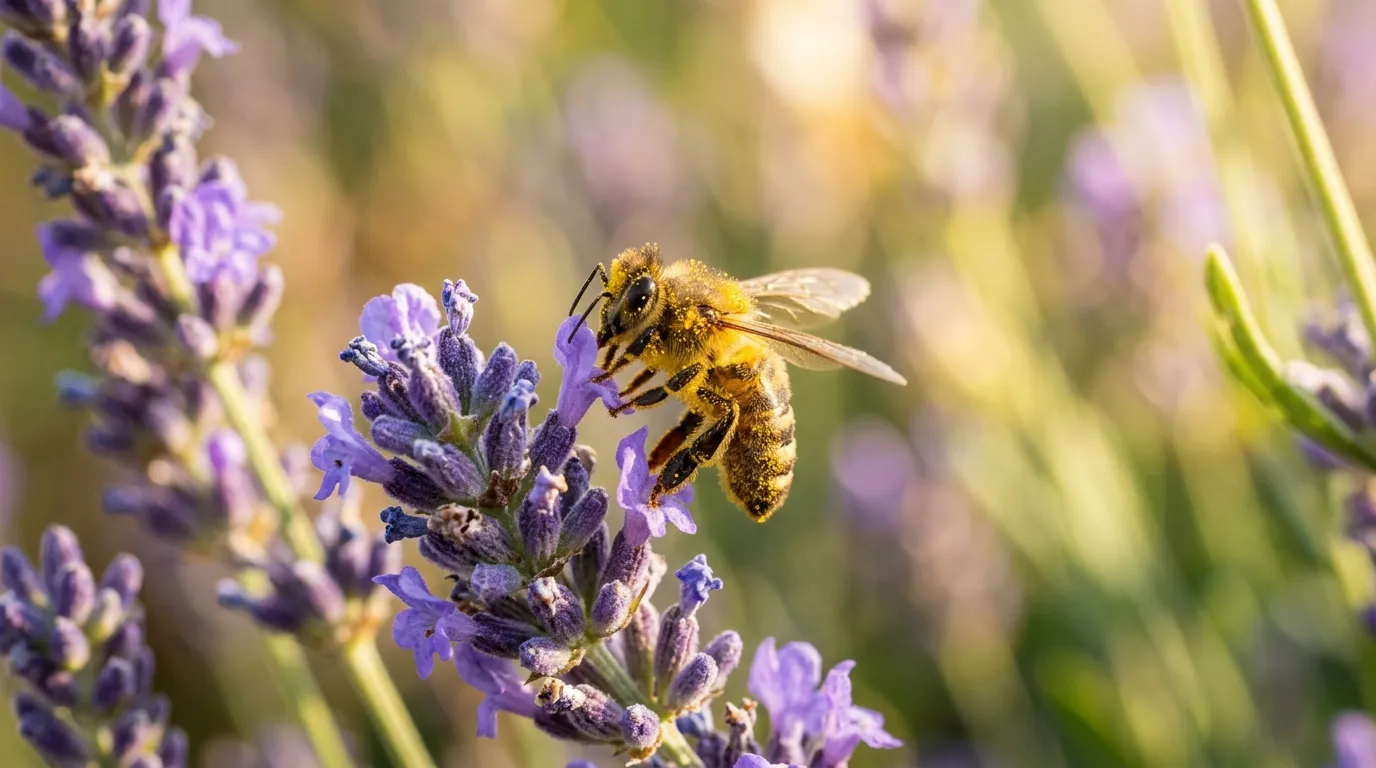
Ground-nesting bees make up roughly 70% of native bee species. They dig small tunnels in bare, undisturbed soil. Leave patches of exposed ground in sunny spots rather than mulching every square inch of your yard.
Stem-nesting bees use hollow plant stems and holes in wood. Leave dead flower stalks standing through winter instead of cutting them back in fall. You can also drill 3/16 to 5/16 inch holes in untreated wood blocks and mount them in sunny, sheltered locations.
Butterfly host plants are just as important as nectar plants. Monarchs lay eggs only on milkweed. Black swallowtails use parsley, dill, and fennel. Planting host species means caterpillars can complete their life cycle in your garden.
Shelter and windbreaks help pollinators on windy days. A row of dense shrubs or a fence on the north side of your pollinator bed makes a real difference in how long visitors stay and feed.
Water sources pollinators actually use
Pollinators need water, but they cannot use a deep birdbath. Bees and butterflies drink from thin films of water on flat surfaces.
Create a puddling station by filling a shallow dish or saucer with sand and gravel, then adding water until it just reaches the surface. Set it in a sunny spot near your flowers. Butterflies will gather on the damp sand to drink minerals.
For bees, place flat stones in a birdbath so they break the water surface. Bees land on the stones and lean down to drink without drowning risk.
Refresh the water every two to three days to prevent mosquito breeding. A small solar fountain in a shallow basin keeps water moving and attracts more visitors.
Pesticides to avoid
Chemical pesticides are the fastest way to destroy a pollinator garden. Even organic-approved sprays can kill bees if applied when flowers are open.
Neonicotinoids are the most dangerous class for pollinators. These systemic insecticides move into pollen and nectar, poisoning bees that feed on treated plants. Products containing imidacloprid, clothianidin, and thiamethoxam should never be used anywhere near pollinator habitat. Check labels on nursery plants too, as many commercially grown flowers are pre-treated.
Broad-spectrum sprays like carbaryl and malathion kill every insect they contact, including beneficial ones. If you must treat a pest problem, use targeted methods like hand-picking, row covers, or Bt (Bacillus thuringiensis) which only affects caterpillars.
Herbicides reduce pollinator food by eliminating wildflowers. Clover in your lawn feeds bees from May through September. Dandelions are one of the earliest spring nectar sources. Consider letting parts of your yard grow naturally instead of maintaining a pure grass lawn.
Designing your pollinator bed
A well-designed pollinator garden does not need to look wild or messy. You can create a structured, attractive bed that works hard for wildlife.
Plant in drifts of three to seven of the same species. Large blocks of a single color are more visible to pollinators than individual scattered plants. A drift of five purple coneflowers draws more bees than five different species planted one each.
Layer heights from front to back. Put low-growing plants like creeping phlox at the front, medium plants like coneflower in the middle, and tall species like Joe Pye weed at the back. This gives every plant full sun exposure and creates a natural look.
Choose native over cultivar when possible. Native species produce more nectar and pollen than their fancy double-flowered cousins. Double flowers often have so many petals that bees cannot reach the nectar at all.
Include different flower shapes. Long tubular flowers like bee balm attract hummingbirds. Open daisy shapes attract bees and butterflies. Tiny clustered flowers like goldenrod attract small native bees and beneficial flies.
| Garden size | Minimum species | Plants needed | Expected pollinator species |
|---|---|---|---|
| 4x4 ft | 5 | 15-20 | 20-30 |
| 4x8 ft | 8 | 30-40 | 40-60 |
| 10x10 ft | 12 | 60-80 | 60-100 |
| 20x20 ft | 18 | 150-200 | 100+ |
Common mistakes to avoid
Planting only one season of bloom. A garden full of summer flowers leaves pollinators hungry in spring and fall. Spread your plant choices across all three seasons.
Buying pre-treated nursery plants. Many garden center plants have been treated with neonicotinoids. Ask before you buy, or shop at native plant nurseries that guarantee pesticide-free stock.
Over-mulching. A thick layer of mulch looks tidy but eliminates nesting habitat for ground bees. Mulch your ornamental beds but leave the pollinator garden with some bare soil showing.
Removing dead stems too early. Many native bees overwinter inside hollow stems. Wait until late spring when temperatures are consistently above 50F before cutting back last year’s growth. By then, any overwintering bees have already emerged.
Sarah Mitchell is a Master Gardener and garden writer based in the Pacific Northwest. She has been growing food and flowers for over 15 years across USDA zones 7 and 8.