Best Spring Perennials to Grow
The top spring-blooming perennials for US gardens, with planting tips, zone compatibility, and care guides. Tested picks for lasting color.
Key takeaways
- Perennials cost more upfront but save money within two seasons compared to annuals
- Plant spring perennials in fall for the strongest first-year bloom
- Divide overcrowded clumps every 3-5 years to keep plants vigorous
- Layer early, mid, and late spring bloomers for 12 weeks of continuous color
- Most spring perennials need 4-6 hours of sun and well-drained soil
Why spring perennials are worth the investment
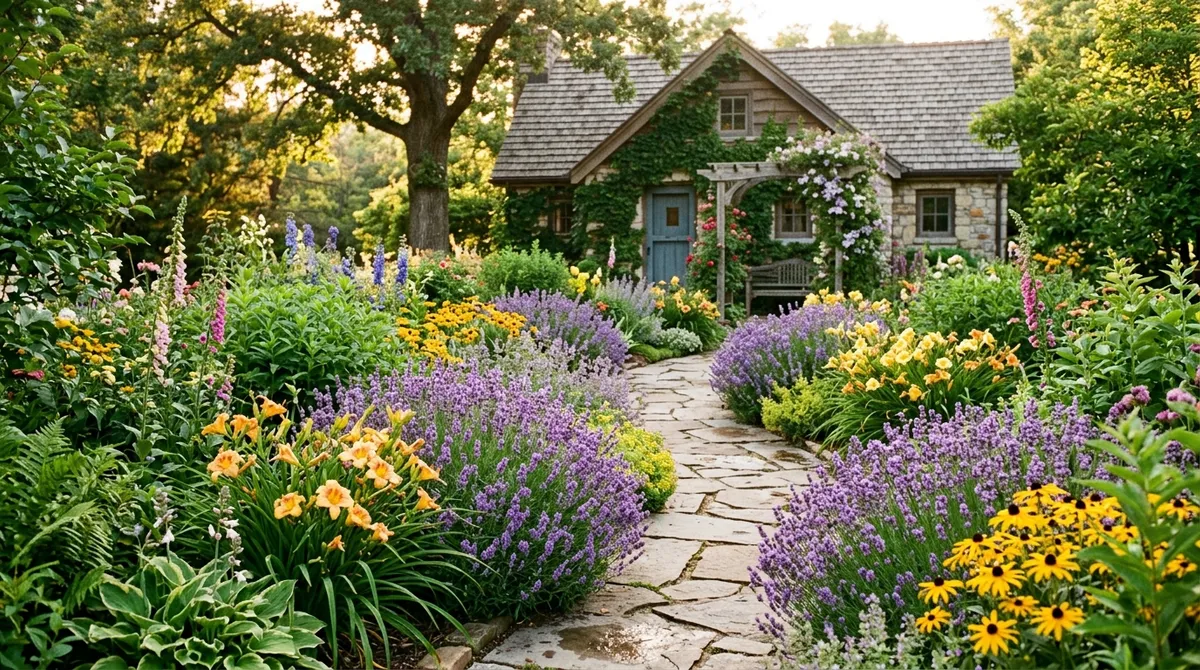
Annual flowers give you instant color, but you buy them fresh every single year. Spring perennials cost more upfront, typically $8-15 per plant compared to $3-5 for annuals, but they come back on their own each spring. By the second season, perennials have already paid for themselves.
A well-planned perennial garden also requires less work over time. Once established, most spring perennials need only occasional watering, a spring feeding, and dividing every few years. Compare that to the annual cycle of buying, planting, and replacing bedding plants.
Spring perennials also provide earlier color than most annuals. While you wait for the soil to warm enough for impatiens and petunias, hellebores and crocus are already blooming in February and March.
Top 10 spring perennials for US gardens
These ten plants perform reliably across a wide range of US growing conditions. Each one has been selected for dependable bloom, low maintenance, and broad zone compatibility.
| Perennial | Bloom time | Height | Zones | Sun needs | Flower color |
|---|---|---|---|---|---|
| Hellebore | Feb - Apr | 12-18 in | 4-9 | Part shade | White, pink, purple |
| Creeping phlox | Mar - May | 4-6 in | 3-9 | Full sun | Pink, purple, white |
| Bleeding heart | Apr - Jun | 24-36 in | 3-9 | Part shade | Pink, white |
| Baptisia | May - Jun | 36-48 in | 3-9 | Full sun | Blue, purple, yellow |
| Peony | May - Jun | 24-36 in | 3-8 | Full sun | Pink, white, red |
| Catmint | May - Jun | 18-24 in | 3-8 | Full sun | Blue, lavender |
| Iris (bearded) | Apr - May | 24-40 in | 3-9 | Full sun | All colors |
| Columbine | Apr - May | 12-24 in | 3-9 | Part shade | Red, yellow, blue |
| Dianthus | Apr - Jun | 6-12 in | 3-9 | Full sun | Pink, red, white |
| Brunnera | Apr - May | 12-18 in | 3-8 | Part shade | Blue |
Hellebore
Hellebores are the earliest perennials to bloom, often pushing flowers up through snow in February. They thrive in part shade under deciduous trees where summer annuals would struggle. Plant them 18 inches apart in rich, well-drained soil and they will slowly spread into dense clumps.
Creeping phlox
This low-growing groundcover erupts into a carpet of color in early spring. It is perfect for slopes, rock walls, and border edges. Plant it in full sun in well-drained soil and leave it alone. Shear it back by half after blooming to keep growth dense and tidy.
Bleeding heart
Old-fashioned bleeding heart (Lamprocapnos spectabilis) produces arching stems of heart-shaped flowers from April through June. It prefers dappled shade and moist soil. The foliage dies back to the ground in summer heat, so plant it behind later-emerging perennials that will fill the gap.
Baptisia
Also called false indigo, baptisia is one of the toughest and longest-lived perennials you can plant. It fixes nitrogen in the soil like a legume, needs no fertilizer, tolerates drought and poor soil, and deer will not touch it. Plants take 3-4 years to reach full size but then last for decades.
Peony
Peonies are the royalty of the spring garden. A mature plant produces dozens of enormous, fragrant flowers that last 7-10 days as cut stems in a vase. Plant peony roots in fall with the “eyes” (pink buds on the crown) no more than 2 inches below the soil surface. Planting too deep is the most common reason peonies fail to bloom.
Planning for continuous spring bloom
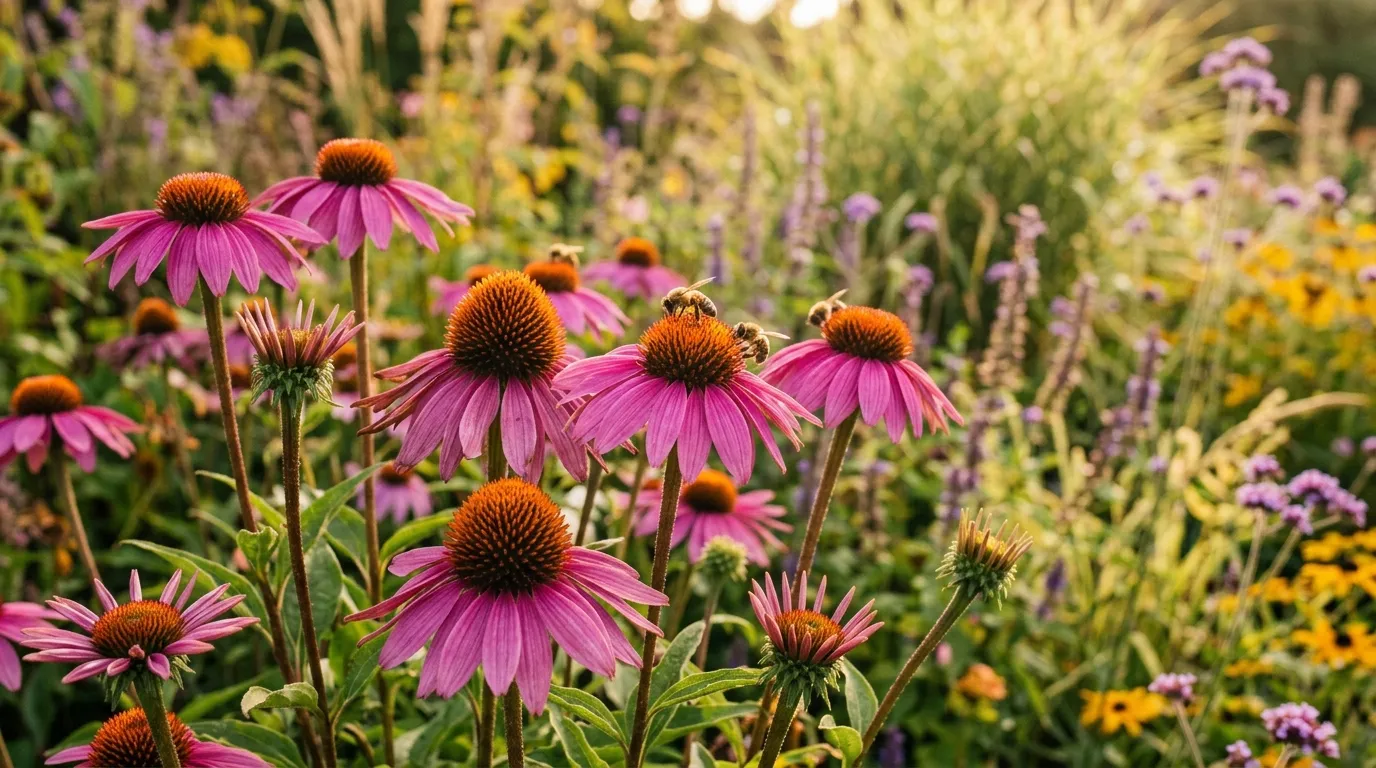
The spring season stretches 12 weeks or more in most US zones. If you plant only mid-spring bloomers, you get three weeks of color and nine weeks of green leaves. Stagger your choices across the full season.
Early spring (March - early April): Hellebores, crocus, creeping phlox, and brunnera open the season. These plants tolerate cold snaps and often bloom through late frosts without damage.
Mid spring (April - May): This is peak season. Bleeding heart, columbine, bearded iris, and dianthus all hit their stride. Most of the classic spring garden photos you see online were taken during this window.
Late spring (May - June): Baptisia, peonies, and catmint carry the display into early summer and bridge the gap to your summer perennials like coneflower and daylilies.
Soil preparation and planting
Spring perennials perform best in soil amended before planting. Most prefer a slightly acidic to neutral pH (6.0-7.0) and good drainage.
Test your soil before planting. A $15-25 test from your county extension office tells you exactly what amendments you need. Most US soils benefit from 2-3 inches of compost worked into the top 12 inches.
Dig a hole twice as wide as the root ball but no deeper. Setting plants too deep is a common mistake that leads to crown rot. The crown (where stems meet roots) should sit at or slightly above the surrounding soil level.
Water deeply at planting and continue watering weekly for the first growing season. After that, most established spring perennials handle normal rainfall without supplemental watering except during extended drought.
Mulch 2-3 inches deep around plants but keep mulch pulled back 2 inches from the crown. Mulch piled against stems traps moisture and causes rot.
Dividing and maintaining perennials
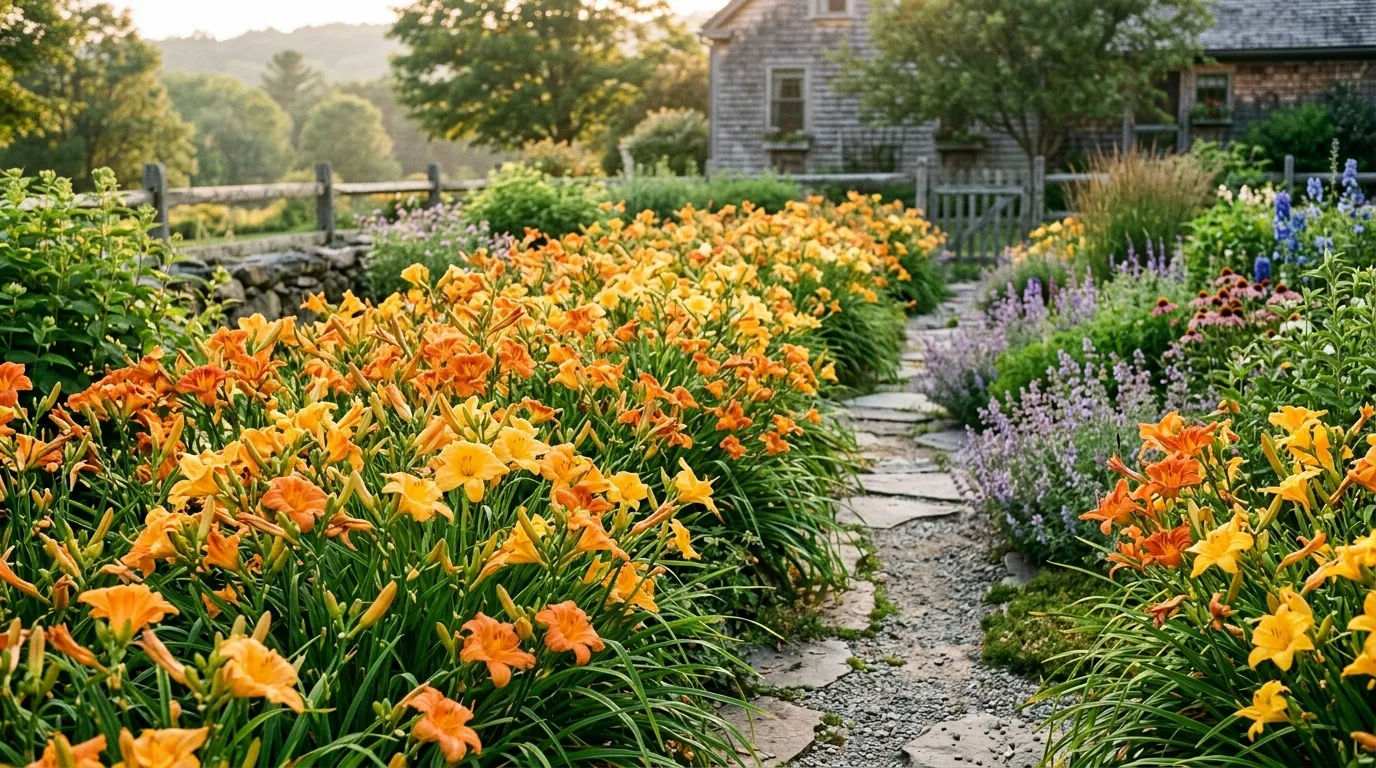
Most spring perennials need dividing every 3-5 years. Signs that a plant needs dividing include reduced flowering, a dead center with growth only around the edges, and the clump pushing itself out of the ground.
When to divide spring bloomers: Divide right after flowering finishes or in early fall. Avoid dividing in the heat of summer when transplant stress is highest.
How to divide: Dig up the entire clump, shake off loose soil, and pull or cut the root mass into sections. Each section needs at least 3-5 healthy shoots and a good chunk of roots. Replant immediately at the same depth, water well, and mulch.
| Perennial | Divide every | Best time to divide | Special notes |
|---|---|---|---|
| Hellebore | 4-5 years | Early fall | Dislikes disturbance |
| Creeping phlox | 3-4 years | After bloom | Pull apart by hand |
| Bleeding heart | 4-5 years | After bloom | Handle roots gently |
| Baptisia | Rarely | Best left alone | Deep taproot, dislikes moving |
| Peony | 8-10 years | September | Each division needs 3-5 eyes |
| Catmint | 3-4 years | Early spring | Cut back hard, then divide |
| Iris | 3-4 years | Jul - Aug | Trim leaves to 6 in fans |
| Columbine | 3-4 years | Early fall | Short-lived, let it self-seed |
Companion planting with spring perennials
Spring perennials look best and grow healthiest when planted with compatible partners.
Pair shade lovers together. Bleeding heart, brunnera, and hellebore all thrive under the same deciduous tree canopy. Add hostas and ferns behind them for summer interest after bleeding heart goes dormant.
Use evergreen structure. Boxwood or dwarf conifers provide winter interest in the perennial bed and give spring flowers a dark green backdrop that makes colors pop.
Underplant with spring bulbs. Daffodils, tulips, and grape hyacinths bloom at the same time as early perennials and fill gaps while young plants are still small. As perennial clumps mature and spread, bulb foliage hides naturally beneath the expanding leaves.
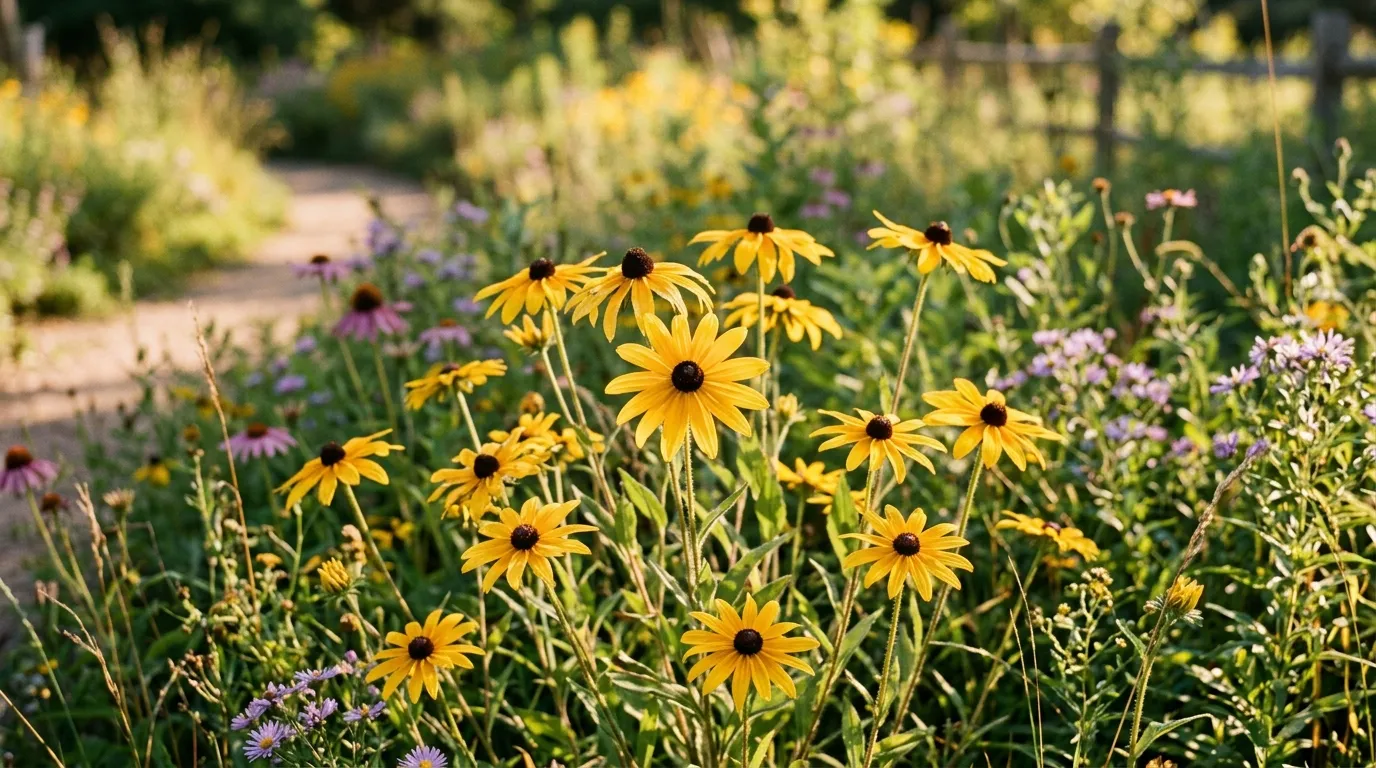
Include summer and fall perennials in the same bed. Coneflower, rudbeckia, and ornamental grasses take over the display after spring bloomers finish, keeping the garden attractive year-round.
Common problems and solutions
Slugs and snails chew holes in hostas, brunnera, and bleeding heart leaves. Scatter iron phosphate bait (Sluggo) around susceptible plants in early spring before damage appears.
Powdery mildew shows up as white fuzz on catmint and phlox leaves in humid weather. Improve air circulation by spacing plants generously and avoid overhead watering.
Deer browsing devastates many perennials. Baptisia, hellebores, catmint, and bleeding heart are deer-resistant. Peonies, iris, and phlox get eaten in areas with heavy deer pressure. Use deer netting or spray repellents if deer are a problem in your neighborhood.
Winter heaving pushes shallow-rooted perennials out of the ground during freeze-thaw cycles. A 3-inch layer of mulch applied after the ground freezes in late fall insulates roots and prevents heaving.
Sarah Mitchell is a Master Gardener and garden writer based in the Pacific Northwest. She has been growing food and flowers for over 15 years across USDA zones 7 and 8.